

What Is Dichloromethane?
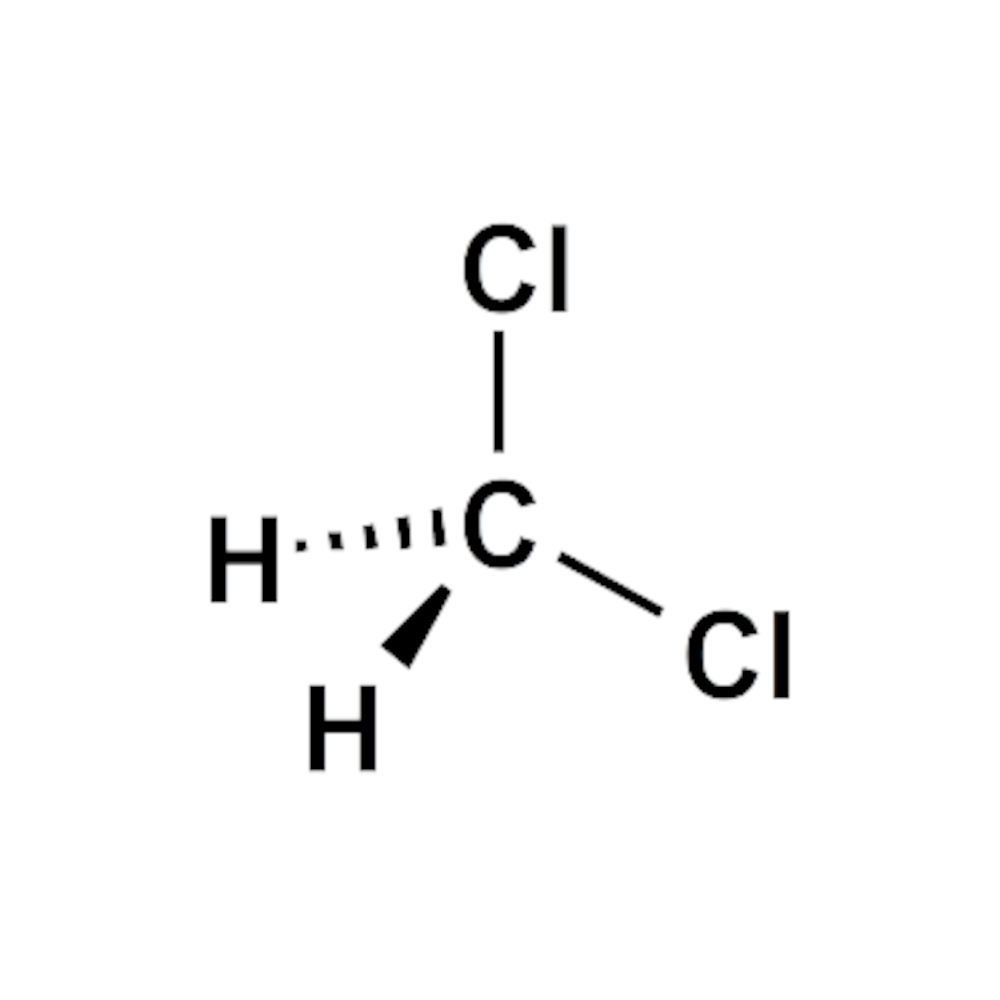
Dichloromethane, also known as methylene chloride, is a colorless, volatile, and sweet-smelling organic compound with the chemical formula CH2Cl2. It is a halogenated hydrocarbon and is commonly used as a solvent in various industrial and laboratory applications. It is an organochloride that appears as a colorless volatile liquid having sweet chloroform-like odor. Although it is not miscible with water, it is polar, and miscible with most organic solvents.
Commonly used for partitioning alkaloids from aqueous solutions Dichloromethane or DCM for short is commonly used as an extraction solvent across the food & beverage industry and is well known for its use in the decaffeination of coffee. With a density of 1.33g/cm3 it is denser than water partitioning as the bottom layer during liquid-liquid extraction.
With a low boiling point of 39.8C/103.3F Dicholormethane allows for fast drying and the preservation of temperature-sensitive compounds. While Dichloromethane is highly volatile it is actually neither flammable nor explosive in air. Produced through the chlorination of methane along with chloromethane, trichloromethane (chloroform), and tetrachloromethane (carbon tetrachloride, Dichloromethane is the least toxic of the three.
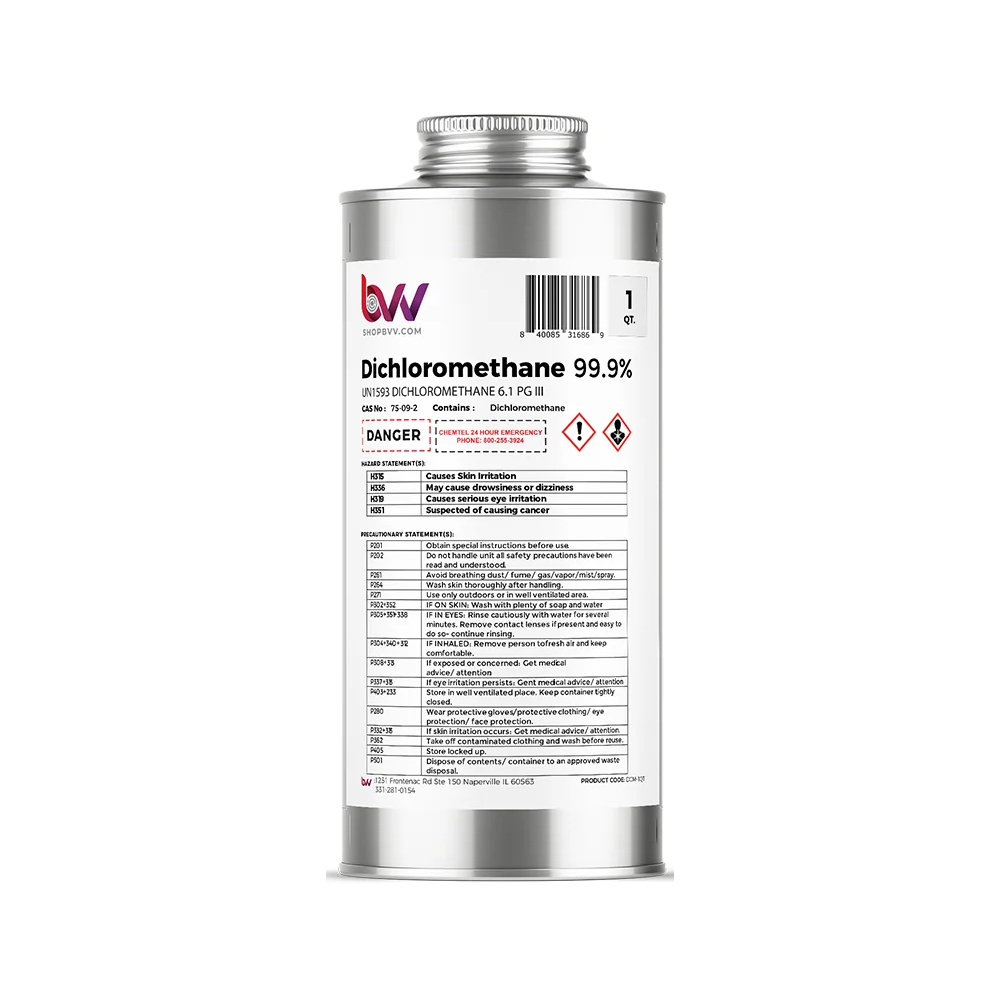
While Dichloromethane is less toxic than other chlorinated hydrocarbons it is still known to cause skin and serious eye irritation and may cause drowsiness or dizziness and potentially cancer. During handling always wear appropriate personal protective equipment in the form of tightly fitting safety goggles or face shield, long-sleeved clothing, and an approved respirator if exposure limits are exceeded or if irritation or other symptoms are experienced. Always ensure DCM is handled under adequate ventilation using a chemical fume hood. Avoid getting DCM into the eyes, on skin, or on clothing, and avoid ingestion and inhalation. Dichloromethane should always be stored in a dry, cool, and well-ventilated place with the container tightly closed.
What is Dichloromethane Used for?
Dichloromethane, also known as methylene chloride, is a versatile organic compound with several common uses, including:
- Solvent: It is widely used as a solvent in various industrial and laboratory applications. Dichloromethane’s ability to dissolve a wide range of organic compounds makes it valuable in chemical processes and as a cleaning agent.
- Extraction: It is used in some extraction processes, such as the decaffeination of coffee and tea. It can selectively dissolve caffeine from coffee beans or tea leaves, leaving behind other flavor compounds.
- Chemical Reactions: It is used in chemical reactions as a solvent and as a reagent in various synthetic procedures.
- Pharmaceuticals: In the pharmaceutical industry, dichloromethane can be used for various purposes, including as a solvent for drug formulation.
- Aerosol Propellant: It has been used as a propellant in aerosol products like paints and coatings.
- Foaming Agent: In the production of polystyrene foam, dichloromethane can be used as a foaming agent.
- Lab Applications: In laboratory settings, it is used as a solvent for analytical methods, especially in chromatography.
What are the Properties of Dichloromethane?
Dichloromethane, also known as methylene chloride, is a colorless, volatile liquid with several notable properties:
- Physical State: At room temperature (around 25 degrees Celsius or 77 degrees Fahrenheit), dichloromethane exists as a volatile liquid. It has a sweet, ether-like odor.
- Density: The density of dichloromethane is approximately 1.33 grams per milliliter (g/mL), making it denser than water.
- Solubility: Dichloromethane is highly miscible with a wide range of organic solvents, including ethers, alcohols, and chlorinated compounds. It exhibits limited solubility in water, forming an azeotrope with a maximum water concentration of around 12.5%.
- Boiling Point: It has a relatively low boiling point of approximately 39.6 degrees Celsius (103.3 degrees Fahrenheit), which makes it volatile and easy to evaporate.
- Reactivity: It is relatively chemically stable under normal conditions. However, dichloromethane can react with strong bases, such as sodium hydroxide, producing potentially hazardous compounds.
- Flammability: Dichloromethane is not highly flammable but can burn under certain conditions, particularly if it forms a vapor-air mixture within its flammable range.
- Toxicity: It is considered a hazardous chemical due to its potential health risks. Inhalation of dichloromethane vapors can lead to dizziness, headaches, nausea, and, in high concentrations, more severe health effects. Prolonged exposure can be harmful.
- Environmental Impact: Dichloromethane is known to be an ozone-depleting substance and can contribute to stratospheric ozone depletion. Consequently, its production and use are regulated or restricted in many countries under environmental laws.
- Industrial Use: Despite its potential hazards, dichloromethane is used in various industrial applications, such as paint stripping, as a solvent, and in the production of some chemicals and pharmaceuticals.


